
Tips for Choosing Comfortable Footwear for Pregnancy
Find the perfect maternity shoes with these expert tips to keep your feet comfortable, supported, and stylish during pregnancy.





Medically Reviewed By
Dr. Deepinder Kaur
(Gynaecologist)

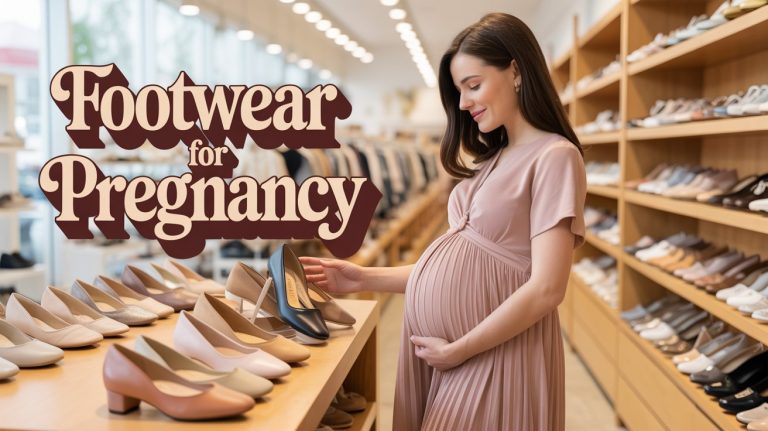
Image Credit : AI Generated Image
This health content has been medically reviewed by qualified experts and follows the FirstCry Parenting editorial policy to ensure accuracy and reliability.
There are many changes that your body undergoes in pregnancy, and one such change is gaining weight. The extra weight, along with hormonal shifts, tends to make your feet swell and ache, often increasing your shoe size. The best thing that you can do for your feet in pregnancy is to wear comfortable and supportive footwear. Choosing the best maternity footwear is crucial for maintaining comfort and stability throughout your day. It is important to understand the specific needs that dictate the ideal footwear for pregnant women. Know everything about the importance of comfortable footwear in pregnancy, from reducing back pain to improving circulation, in the following article.
Why Is It Important to Wear the Right Footwear in Pregnancy?
The importance of the right footwear in pregnancy cannot be undermined. As your body grows and changes shape, your centre of gravity changes too. This not only affects the way you walk, but it also affects your back, ankles and feet. Therefore, it is imperative to opt for comfortable footwear in pregnancy to prevent the following pregnancy symptoms:
1. Swelling of Feet and Legs
As your uterus grows in pregnancy, the pressure around the pelvic area increases. This increased pressure in the pelvic region slows down the blood flow. Thus, this leads to an accumulation of fluid or swelling around your feet and ankles. Therefore, it becomes very important to wear comfortable footwear (1).
2.Varicose Veins
The slow blood flow or circulation in pregnancy may also cause varicose veins in pregnancy. As the blood pools in the veins, the veins widen and bulge out from the skin. These prominent veins look purple or blue in colour. These protruding veins may make your legs feel painful and heavy. Some women may experience itching or burning on the skin (2).
3. Sprain or Trauma to the Ligament
There is an increased risk of sprains or trauma to the ligament in pregnancy. This happens because of the improved flexibility of the collagen due to increased levels of relaxin hormones. The flexible collagen helps the pelvic region become more flexible for the upcoming delivery. These changes in the pelvic region make the ligaments more susceptible to trauma and sprains (3).
4. Heel Pain
As your weight increases in pregnancy, the arched portion of the heel flattens and starts touching the ground. This makes your footsteps roll inwards. This movement of the feet puts pressure on the plantar fascia ligament and may lead to heel pain in pregnancy (4). Therefore, you may be required to wear footwear that provides support and cushion to your footbed and helps you maintain balance at the same time.
Qualities of Maternity Footwear
Happy feet in pregnancy mean a happier you. Therefore, you must pay heed to the following qualities of maternity shoes:
- If you’re looking for good shoes for pregnancy, it is advised to buy footwear that is a size or half bigger than your actual size. This is because your feet may swell up in pregnancy, making your actual shoe size uncomfortable for you. Therefore, a bigger shoe will make your feet feel more comfortable and relaxed.
- It is recommended to opt for shoes which have good arch and ankle support. The shoes with good support will not only provide comfort, but they will also reduce the joint pains and aches that you may experience during pregnancy (5).
- The best kind of shoes to opt for in pregnancy are slip-on shoes. These shoes can be easily worn even after you start off with your third trimester, which can make bending a real challenge. You may easily slip into your shoes without even bending, and your baby bump will not cause any hindrance.
Types of Pregnancy Footwear
The following are some of the shoes for pregnant women that you should buy to provide extreme comfort and to pamper your feet:
- Sports Shoes: This is said to be the best footwear for pregnancy. You are required to do basic exercises and walking in pregnancy, and for that, it will be a good idea to invest in a good pair of sports shoes or sneakers.
- Work Shoes: If you are a working woman, it is no longer advisable to wear high heels. Therefore, you should buy a comfortable pair of work shoes that provide comfort to your feet while you work.
- Casual Shoes: Get yourself a good gripping pair of casual footwear that you can wear at home as well while running your daily household chores.
- Sandals: If you stay in a place where the weather is hot and humid then buying a pair of flat sandals will a wise thing to do. They will not only be airy, but they will also provide good comfort to your feet. Sandals are also one of the best shoes for swollen feet.
- Winter Boots: If you are in a place which has extreme winters, then it is recommended to buy a good pair of flat winter boots. It is recommended that you choose a pair that can be worn easily and has good ankle support.
- Flip-Flops: These are extremely good for rainy weather and can be worn at home, too. Buy a good quality pair which is lightweight and has a good grip.
Can You Wear High Heels During Pregnancy?
No, it is not a good idea to wear high heels during pregnancy. As you grow bigger and gain more weight, your body’s centre of gravity changes. The changed centre of gravity may make you walk less steadily. The loosened ligaments in pregnancy may lead to instability of muscles and joints. Thus, all these changes in your body may make you more susceptible to falls if you wear heels. Any kind of fall in pregnancy may not only be fatal for the would-be-mommy, but it can also be dangerous for her unborn baby as well. Therefore, it is not wise to wear heels during pregnancy.

Tips for Selecting Pregnancy Shoes
- It is best to opt for flat footwear, but if you cannot wear flats, then it is recommended to opt for wide and low heels.
- Do not buy footwear with more than two inches of heels, and make sure the heel of the shoe is not pointy.
- Low-wide heels support your feet and help to distribute your bodyweight equally. It also helps in reducing pain and saves you from tripping.
- If you are unable to find the right kind of arch support for your feet, you may wear insoles in your regular shoes to give support to your feet.
- Try to get a pair of footwear that allows your feet to breathe and does not make your feet sweat. Shoes with mesh or canvas shoes are very good options.
- Buy shoes or footwear for pregnant ladies which has a wider toe area rather than a clinched or narrow area that pinches your toes.
- It is a good idea to get a pair of loafers, which are not only smart and trendy but also provide extreme comfort to the feet.
- If you wish to keep it casual and simple, then you may opt for flat sandals. Sandals allow your feet to breathe, too.
- If you wish to go for walks or on a shopping date with your friends, then it will be a good idea to slip into a pair of sneakers for ultimate comfort and support.
Best Shoes to Wear in Pregnancy
We have the following recommendation when it comes to choosing footwear during pregnancy:
- Wear Flat Shoes: Flat shoes are not only extremely comfortable, but they also provide you with good control over your body’s increased size, too. You may choose the ones which provide optimum arch and ankle support to your feet.
- Flip-flops or Sandals: These are ideal for both summer and winter seasons. You may wear socks with them in the winter to make your feet feel cosy. These can be slipped on easily without causing much strain on your tummy. You can wear them at home or even while going out.
FAQs
1. Can my old footwear cause round ligament pain?
While not a direct cause, unsupportive footwear can exacerbate the jarring movements that trigger round ligament pain. Supportive shoes with good cushioning absorb shock from walking, reducing sudden strains on the abdominal ligaments and providing greater overall stability.
2. Why do my feet feel burning or tingling, and how can footwear help?
This sensation, often caused by swelling compressing nerves, can be a symptom of pregnancy-induced oedema. Supportive shoes for pregnancy designed with a wide toe box are essential, as they prevent constriction, allow for natural swelling, and alleviate pressure on the nerves, thereby reducing that burning or tingling feeling.
3. Is it safe to wear water shoes or clogs during pregnancy?
Surprisingly, yes—but with caveats. Supportive clogs with arch support and a backstrap can be excellent for easy on/off access. Similarly, certain water shoes with non-slip soles and roomy designs are safe for poolside or beach use, but they must offer real structure and not be flimsy to prevent falls.
4. How does footwear impact pelvic alignment in the third trimester?
Proper footwear plays a subtle but important role in pelvic alignment. Worn-out or completely flat shoes can tilt your pelvis unnaturally, contributing to lower back and sacroiliac joint pain. A shoe with a low, stable heel and even sole distribution helps maintain a neutral pelvic position, which is crucial as your baby grows.
It is very important to choose the right pair of maternity footwear that will sail through your nine months of pregnancy comfortably. Your doctor may also guide you if you are unable to decide about your maternity footwear.
Also Read:
Leg Cramps in Pregnancy
Feet Pain during Pregnancy
Crossing Legs while Pregnant
Was This Article Helpful?
Parenting is a huge responsibility, for you as a caregiver, but also for us as a parenting content platform. We understand that and take our responsibility of creating credible content seriously. FirstCry Parenting articles are written and published only after extensive research using factually sound references to deliver quality content that is accurate, validated by experts, and completely reliable. To understand how we go about creating content that is credible, read our editorial policy here.
- Author
- Expert Reviewer


Related Articles
-

Dating Scan in Pregnancy: Purpose, Procedure, & What to Expect
-
30 Best Sibling Pregnancy Announcement Ideas
-
Haemorrhoids (Piles) in Pregnancy: Causes, Risks and Treatments
-
Is it Safe to Get a COVID-19 Vaccine During Pregnancy or Breastfeeding?
-
Can You Do Sit Ups or Crunches While Pregnant?
-
How to Boost Immunity During Pregnancy?